
The moments between life and death
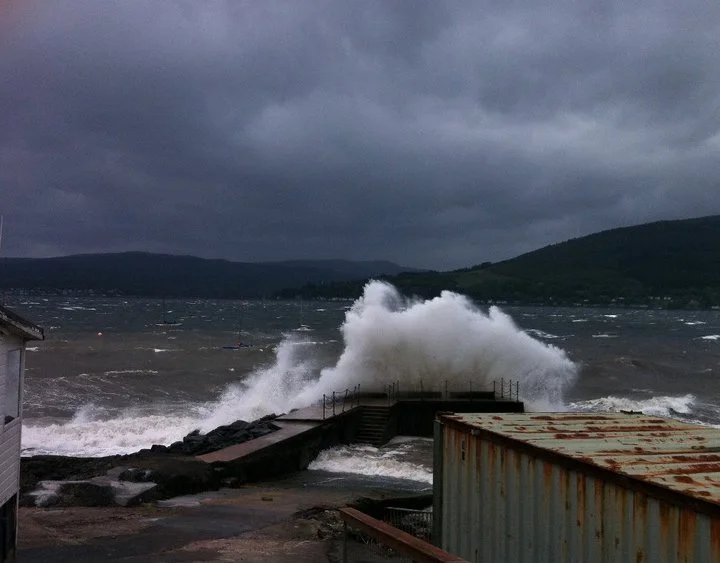
Seconds can feel like an eternity when you’re waiting for a liferaft to inflate. In that suspended moment, every heartbeat seems louder, every second stretches longer than the last. The cold bite of the wind, the chaos of the waves, and the uncertainty of survival make time distort—turning those brief seconds into a tense, drawn-out wait between danger and refuge. What would normally pass in the blink of an eye becomes a vivid, nerve-wracking countdown where every instant matters and hope clings to the hiss of the inflating raft.
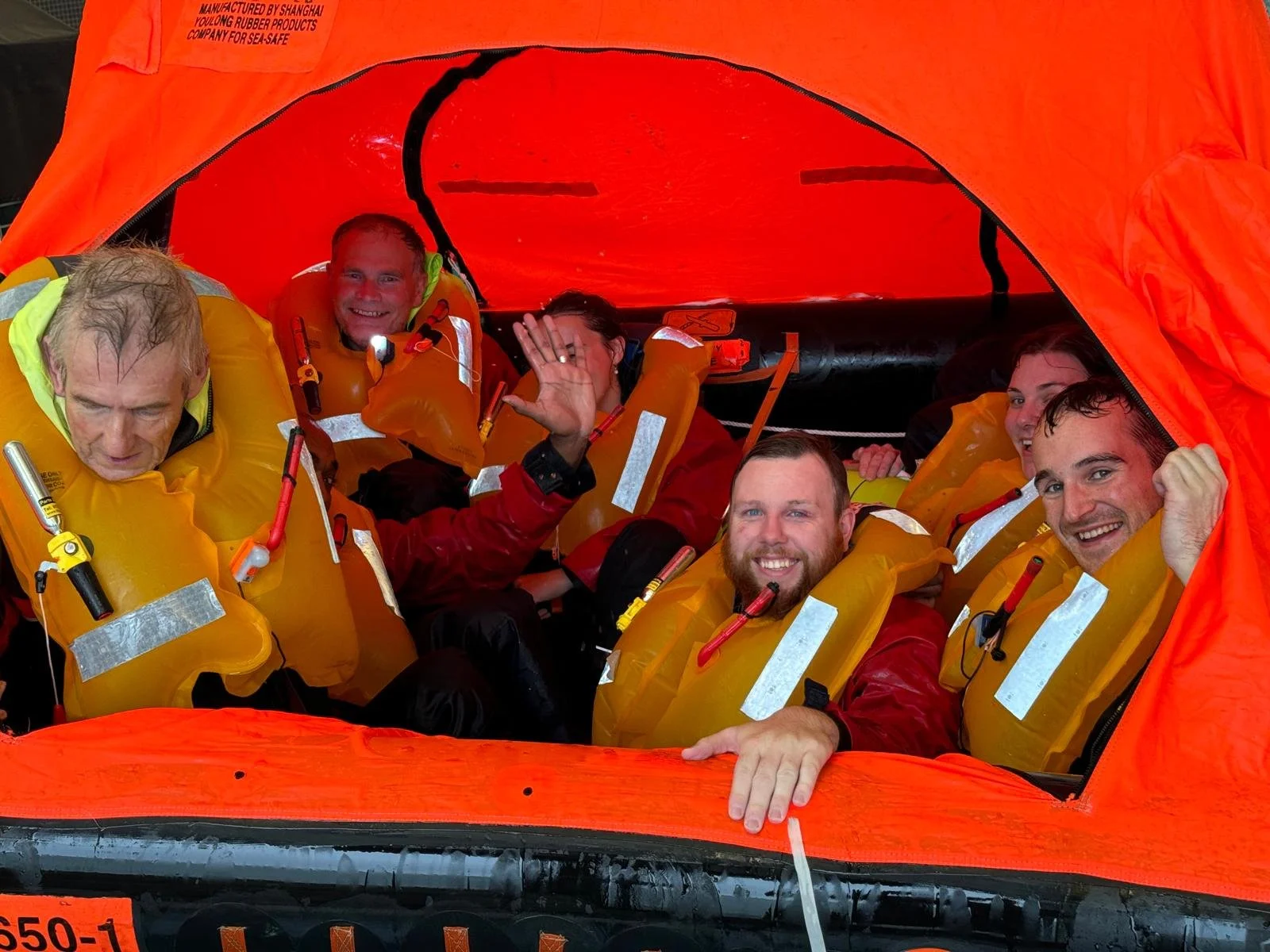
Is there anything you can do now to help yourself feel more prepared in the event that you ever have to abandon ship and rely on a liferaft? Taking time to understand the basic procedures, to familiarise yourself with the liferaft’s equipment, and to mentally rehearse what to do in an emergency can make a significant difference. Even simple steps—such as knowing where the liferaft is stored, how to launch it, and what actions to take once you are inside—can build confidence and reduce panic, helping you respond more calmly and effectively if the situation ever arises
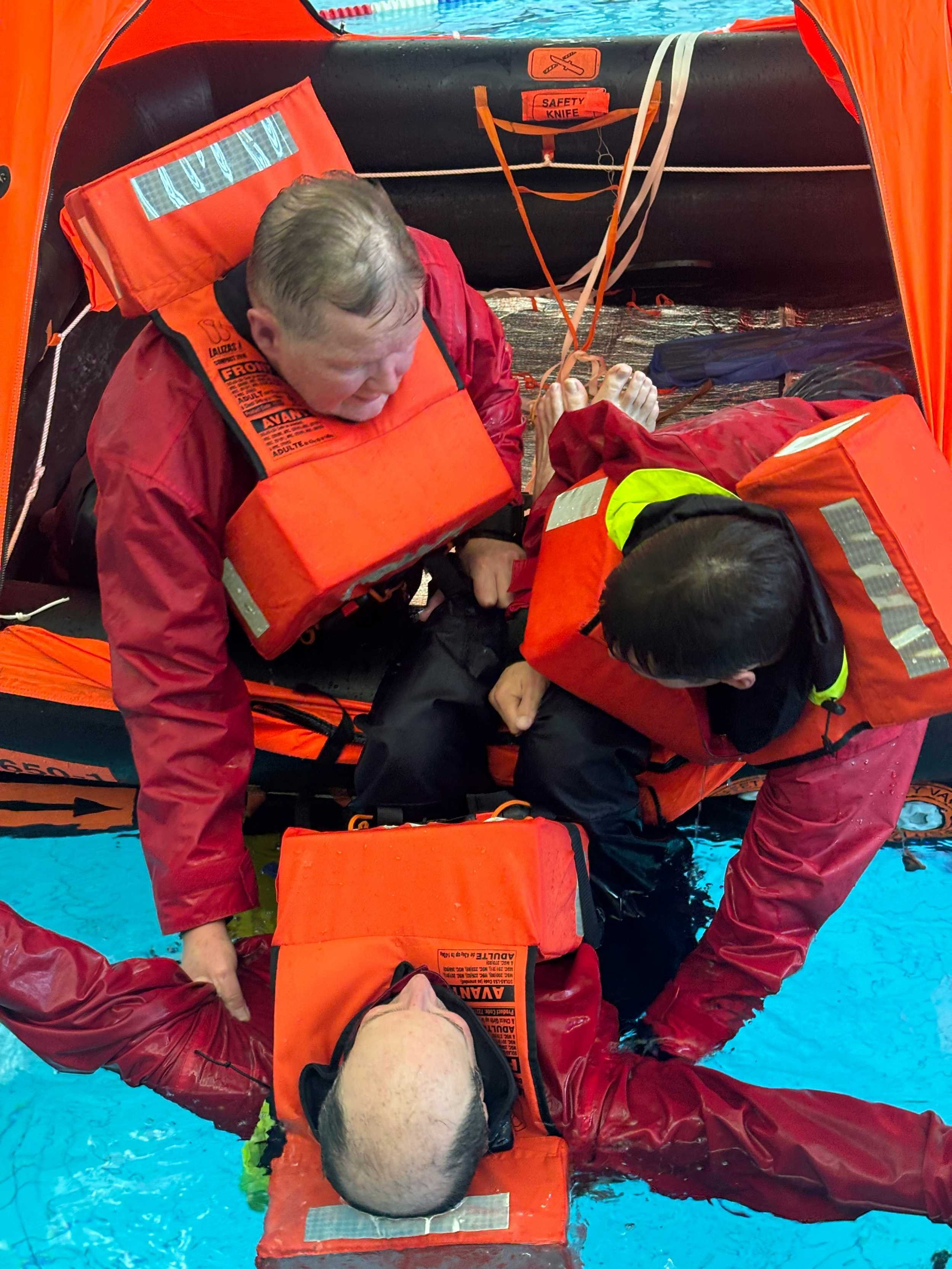
A particularly effective way to build this confidence is by doing a one-day course, such as RYA Sea Survival or STCW Personal Survival Techniques. This hands-on training gives you practical experience with liferafts, personal safety equipment, and realistic emergency scenarios, helping to turn theory into instinctive action. By practising these skills in the controlled environment of a swimming pool, you not only improve your chances of responding correctly under pressure but also gain reassurance that you are better prepared to look after yourself and others should the unthinkable happen at sea.
Watch the short 2 minute video below to see a liferaft inflating in real time, then keep watching to get the feel of what you learn in the practical session of a Sea Survival training course
